mirror of
https://github.com/ggozad/oterm.git
synced 2026-10-09 16:53:20 +02:00
 97fd157160
- rag_example: rewrite for current haiku.rag. The MCP server is `haiku-rag mcp` and opens the database read-only, so documents are added with the CLI; the page described `serve`, SQLite storage and add/delete tools that no longer exist. - mcp: stdio servers accept cwd and inherit HOME, LOGNAME, PATH, SHELL, TERM and USER. - app_config: each openaiCompatible endpoint is its own provider; XDG_DATA_HOME applies everywhere but Windows; list OTERM_OLLAMA_IMAGE_MODEL and everything under OTERM_DATA_DIR. - commands: add Copy message, an Images section and the command-line options; clicking a code block copies the whole message. - installation: document the speak extra and nix updates; drop the 0.13.1 tap note. - development: uv-based setup; docs are built with Zensical. - One H1 per page; no em dashes. - README points at the CHANGELOG; drop the stale announcement banner.
1.1 KiB
1.1 KiB
Development & Debugging
Inspecting logs
You can inspect basic logs from oterm by invoking the log viewer with ^ Ctrl+l or by using the command palette. This is particularly useful if you want to debug tool calling.
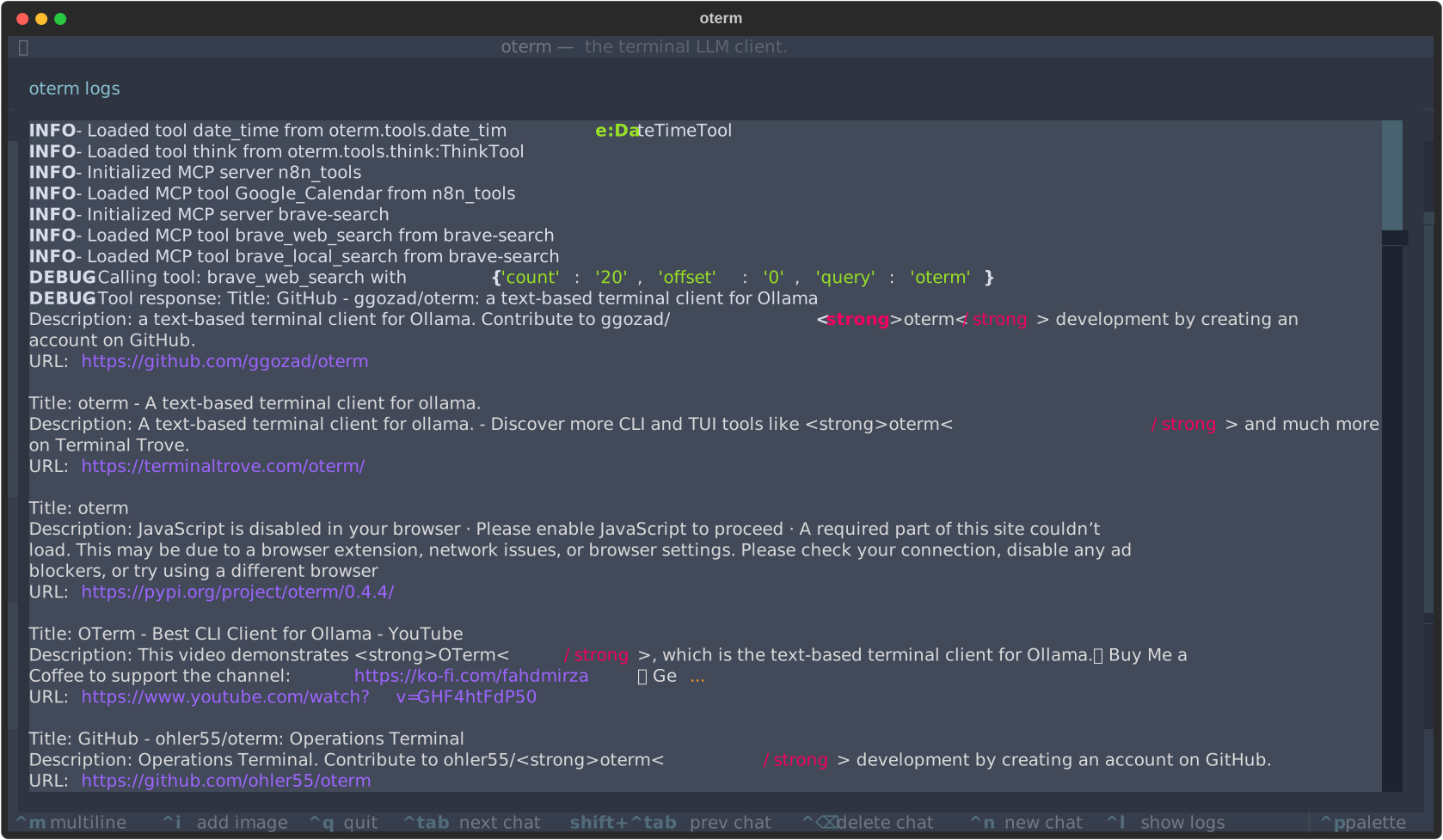 oterm's internal log viewer showing the Brave Search MCP tool in action.
Setup for development
git clone git@github.com:ggozad/oterm.git
cd oterm
uv sync
uv run oterm
Tests, linting and type checking:
uv run pytest
uv run ruff check
uv run ruff format
uv run ty check
Debugging
To see oterm's log messages as they happen, start the Textual console in one terminal:
uv run textual console -x SYSTEM -x EVENT -x WORKER -x DEBUG
This hides most of Textual's own messages. Then start oterm in development mode in another:
uv run textual run -c --dev oterm
Documentation
oterm uses Zensical to generate the documentation, configured in zensical.toml. To serve it locally, run:
uv run zensical serve
and open the printed URL. uv run zensical build builds the static site.